
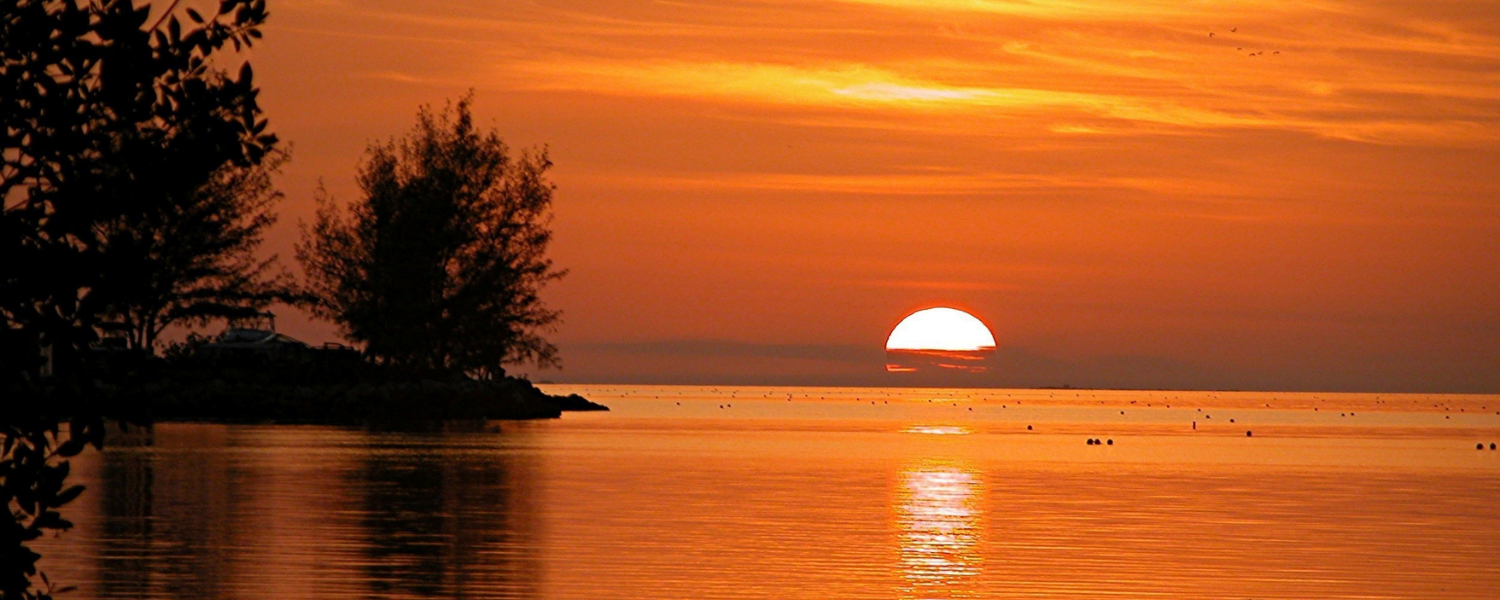
While the sun, sand, and surf waiting to be enjoyed across Sanibel Island and Captiva Island never fail to impress travelers heading this way, these areas are also rich in history, just waiting to be discovered. Those with a passion for pursuing the past when they head to new destinations will find the history of Sanibel Island and Captiva Island to be truly fascinating! Whether you’re visiting a historic lighthouse, learning about early tribes, or enjoying tales of the region’s pirate-rich past, there’s always a lot to learn.
A Tale of Two Islands
As you begin to dive into the history of Sanibel Island and Captiva Island, the first thing you might be surprised to find is that experts believe these two separate destinations were once a single landmass. Located off the Florida Gulf Coast, Sanibel Island and Captiva Island are believed to have been formed by the combination of shifting currents and rising sea levels around 6,000 years ago! What began as a single destination at that time slowly separated into two islands. This was likely due to the force of storms, leaving behind the sun-soaked vacation destinations we know and love today.
Tribal and Early Settlement History
When you visit Sanibel Island and Captiva Island today, an important part of the area’s tribal history is still visible through the remaining shell mounds you can admire. These elevated landmarks were very likely crafted to protect the area’s earliest inhabitants, the Calusa tribe, from storm surges. This indigenous group called the area home from around 2,500 years ago, up through the arrival of early Spanish settlers in 1513. Explorer Juan Ponce de Leon first called the island “Santa Isabella” in honor of Queen Isabella of Castile as he set out in search of the mythical Fountain of Youth. While the Calusa tribe was able to successfully keep Spanish settlers from creating permanent homesteads in the area at the time, the inevitable introduction of new diseases led to the ultimate decline of the population by the late 1700s.
A Place Where Pirate Lore Still Thrives
Perhaps one of the most fascinating aspects of the history of Sanibel Island and Captiva Island is the pirate lore that’s seamlessly woven into its past. So much so that as early as the start of the 1800s, the area had already earned the nickname of “Buccaneer Coast.” Legend states that pirate Jose Gaspar buried a significant amount of treasure in the region during a time of great plundering. The folklore lives on because to date, those riches have yet to be found.
Post-Civil War Settlement Opportunities
An increased military presence across Sanibel Island and Captiva Island following the Civil War made the area significantly safer for settlers to begin establishing permanent roots. As the population began to grow, the U.S. government would go on to designate Sanibel as a lighthouse reservation in 1870. Construction on the Sanibel Lighthouse began shortly after, and it was operational by 1884. By the late 1800s, small hotels and boarding houses began popping up across Sanibel Island, and visitors popularized sport fishing in the area. By 1916, the area had earned a reputation for fun with the arrival of the Sanibel Shell Fair, celebrating the region’s world-class shelling opportunities. The bridge connecting Sanibel and Captiva was constructed in the 1920s, giving more access to tourists and locals alike. The establishment of the J.N. “Ding” Darling National Wildlife Refuge in 1945 added natural protections to the area, and in 1974, Sanibel was officially incorporated as a city.
Experience the Beauty of Sanibel Island for Yourself This Year
When you next head this way to learn more about the rich history of Sanibel Island, be sure to include luxury, comfort, and style in your journey too by booking your accommodations through Dream Vacation Rentals. From our pet-friendly retreats to our homes with private pools and boat dock access, we make sure the details are in place upon your arrival to ensure your stay is one-of-a-kind. Reach out today to learn more!